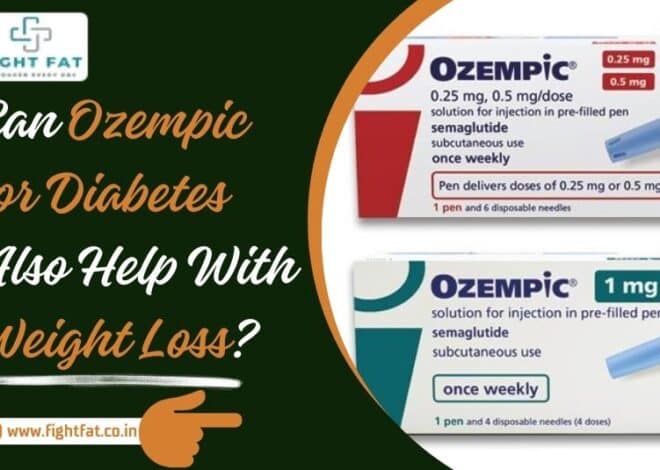

The Truth About Ozempic and Weight Loss: Myths, Facts, and FAQs
Obesity and overweight issues are rising at an alarming rate across the globe, including India. As more people search for medically backed solutions, medications like Ozempic are emerging as promising tools in weight management. However, there’s a lot of confusion, misinformation, and curiosity surrounding Ozempic and weight loss—particularly among those seeking sustainable health improvements.
This blog by Fight Fat aims to offer a clear, evidence-backed, and professional overview of weight loss with Ozempic, debunking common myths, highlighting facts, and answering the most frequently asked questions.
What Is Ozempic?
Ozempic is the brand name for semaglutide, a prescription medication originally developed to manage type 2 diabetes. It belongs to a class of drugs called GLP-1 receptor agonists, which help regulate blood sugar levels by mimicking the hormone GLP-1 that the body naturally produces.
However, medical experts soon discovered that one of Ozempic’s side benefits is its ability to suppress appetite and reduce body weight in individuals who are overweight or obese—even those without diabetes.
Understanding the Link Between Ozempic and Weight Loss
So, how exactly does Ozempic support weight loss?
Semaglutide, the active ingredient in Ozempic, does more than regulate insulin. It:
- Slows down gastric emptying (how quickly food leaves your stomach)
- Reduces hunger signals sent to your brain
- Helps you feel full longer after meals
- Encourages lower calorie consumption without extreme dieting
As a result, Ozempic and weight loss have become closely associated in clinical practice and patient experiences alike.
Approved Uses and Off-Label Use for Weight Management
In India and globally, Ozempic is officially approved for type 2 diabetes management. However, doctors may prescribe it off-label for weight loss in certain individuals, especially if:
- The BMI is 27 or above
- The person has weight-related health conditions (hypertension, PCOS, insulin resistance, etc.)
- Lifestyle changes alone haven’t been effective
Benefits of Weight Loss with Ozempic
When used correctly, under medical guidance, Ozempic can lead to multiple health benefits, such as:
- Significant body weight reduction: Clinical studies show an average 10-15% reduction in body weight with consistent use.
- Better blood sugar control: Even in non-diabetics, Ozempic helps maintain more stable glucose levels.
- Improved heart health markers: Lower blood pressure and reduced LDL cholesterol are commonly reported.
- Sustainable appetite management: Most users report fewer cravings and reduced portion sizes naturally.
- Enhanced energy and mobility: Weight loss leads to better physical activity and reduced joint strain.
Common Myths About Ozempic and Weight Loss
There’s no shortage of misinformation online. Let’s tackle the top myths:
Myth 1: Ozempic is a magic weight loss pill.
Fact: Ozempic is an injectable medication—not a miracle drug. While effective, it works best with dietary and lifestyle improvements.
Myth 2: It’s only for diabetics.
Fact: While initially developed for diabetes, Ozempic is commonly prescribed for weight loss under clinical supervision.
Myth 3: You’ll gain all the weight back after stopping.
Fact: Some individuals do regain weight if they stop Ozempic abruptly without making sustainable lifestyle changes. A tapering strategy with support is key.
Myth 4: Ozempic is unsafe.
Fact: Like any medication, Ozempic has side effects. However, when used under medical supervision, it’s generally safe and well-tolerated.
Who Can Consider Ozempic for Weight Loss?
Ozempic may be suitable for the following individuals:
- Adults aged 18+ with a BMI over 30
- Adults with a BMI over 27 with related health risks
- Individuals struggling with appetite control
- People not achieving results with diet and exercise alone
However, it’s not suitable for:
- Pregnant or breastfeeding women
- Individuals with a history of pancreatitis
- People with medullary thyroid cancer or MEN2 syndrome
- Those allergic to semaglutide or any Ozempic ingredients
Always consult a qualified doctor before starting treatment.
Possible Side Effects of Ozempic
Most side effects are mild and manageable, especially if dosage is increased gradually:
Common Side Effects:
- Nausea
- Vomiting
- Diarrhea
- Constipation
- Reduced appetite
- Headache
- Fatigue
Rare but Serious Side Effects:
- Pancreatitis
- Gallbladder problems
- Thyroid tumors (in rare cases)
- Kidney issues in dehydrated patients
Doctors usually start with a low dose and gradually increase it to help minimize side effects.
Best Practices When Using Ozempic for Weight Loss
To maximize results and minimize risk, consider the following tips:
- Follow dosage instructions strictly. Never self-adjust the dose.
- Eat balanced meals rich in fiber, lean protein, and low-GI carbs.
- Stay hydrated, especially during the first few weeks.
- Avoid high-fat, greasy foods which can increase nausea.
- Track your progress with a medical team, not just the weighing scale.
- Include light exercise (like walking or yoga) as part of your routine.
- Avoid alcohol and smoking, which can interfere with results.
Realistic Expectations: How Much Weight Can You Lose?
While results vary, clinical trials suggest:
- A person may lose 5–10 kg in the first 3–6 months
- Over 12 months, total weight loss may range from 10–15% of starting weight
Important: Rapid weight loss is not the goal. Sustained, gradual reduction is healthier and more likely to last.
FAQs on Ozempic and Weight Loss
Q1. Is Ozempic available in India for weight loss?
Ozempic is available in India, but it is primarily approved for diabetes. However, doctors may prescribe it off-label for weight loss.
Q2. How do I get started with Ozempic?
Consult a licensed healthcare provider. They will assess your medical history and determine if Ozempic is right for you.
Q3. Do I need to follow a special diet with Ozempic?
While no strict diet is required, eating healthy improves the effectiveness of the medication. Portion control and mindful eating are recommended.
Q4. How soon will I see results?
Some individuals notice appetite suppression within days. Visible weight loss typically begins after 3–4 weeks.
Q5. Can I stop Ozempic after losing weight?
Possibly. A healthcare provider can help you taper off gradually while maintaining weight loss with lifestyle changes.
Q6. Is weight loss with Ozempic safe for long-term use?
Yes, when monitored properly by a doctor. Long-term use is common in chronic weight management plans.
Read Also: Avoid Common Mistakes When Using Ozempic for Weight Loss
Conclusion
Ozempic and weight loss have become a major topic in modern health conversations—and rightly so. With promising results in clinical settings, Ozempic offers new hope to those who’ve struggled with excess weight for years.
However, it’s not a quick fix. It works best when integrated into a broader wellness strategy that includes nutrition, activity, hydration, and behavior change.
If you’re considering weight loss with Ozempic, start by speaking with a medical expert. At Fight Fat, we’re here to guide you with trusted resources, product access, and long-term support.